ADS

ADS

Main ads 1 ads here

Tuesday, May 26, 2026

3 Best Loan Apps for Students in Nigeria – Get Fast Cash for School Fees with No Collateral Needed

SHARE THIS POST

With the current economic situation in Nigeria, paying school fees has become increasingly difficult for many students. Expenses such as tuition, textbooks, accommodation, feeding, and other daily needs can quickly add up, placing financial pressure on students and their families.

This is why many students are now searching for online loan apps that can provide quick financial assistance. These digital lending platforms allow users to apply for loans directly from their mobile phones without visiting a bank. In this guide, we will explain how these loan apps work, how students can access them, what to watch out for, and some important things to consider before borrowing.


CAN STUDENTS GET LOANS IN NIGERIA?

Yes, students can get loans in Nigeria through various digital lenders. Unlike traditional banks that require collateral, salary slips, or guarantors, many fintech companies now offer loan apps for Nigerian students without collateral.

These platforms use modern technology to analyze user data and determine loan eligibility. In many cases, the approval process is quick and the money is transferred directly into the borrower's bank account. However, students should understand that most apps provide small short-term loans, especially for first-time users. As your repayment history improves, your limit increases.

For those looking for student loan apps in Nigeria to help pay for school fees, these platforms can provide temporary financial support when needed. The key is to borrow responsibly and only from verified, regulated lenders.

WHY STUDENTS USE LOAN APPS IN NIGERIA

The popularity of quick loan apps for students in Nigeria has increased significantly in recent years. Many young people now prefer mobile loan apps because of their convenience and speed. Here are some common reasons students turn to these apps:

1. Fast Loan Approval
Most loan apps process applications within minutes. This is helpful when students need urgent money for school-related expenses such as registration fees, exam fees, or project materials.

2. No Collateral Required
Traditional loans usually require assets such as land, vehicles, or guarantors. Many loan apps for Nigerian students do not require any physical security. Your BVN and repayment history are often enough.

3. Easy Application Process
Applying for loans through mobile loan apps only requires a smartphone, BVN verification, and a bank account. The entire process can be completed from your hostel room or anywhere with internet access.

4. Emergency Financial Support
Unexpected expenses can arise at any time. These apps help students get emergency loans in Nigeria without going through complicated bank procedures or waiting days for approval.

5. Building a Credit History
For students with no prior credit history, using a regulated loan app responsibly is one of the earliest ways to start building a positive credit profile in Nigeria. This can be useful later when applying for larger loans or financial products.

HOW TO APPLY FOR A STUDENT LOAN IN NIGERIA 

Many young Nigerians are curious about how to get a student loan in Nigeria. Fortunately, the process is simple and can be completed within a few minutes.

Step 1: Download the Loan App
Search for your preferred loan app on the Google Play Store or Apple playstore and install it on your phone. Or click the app links in this post for a direct download.

Step 2: Create an Account
Register using your phone number, email address, and personal information. Make sure all details match your BVN records to avoid verification issues.

Step 3: Verify Your Identity
Most apps will request your BVN to confirm your identity and prevent fraud. Some apps may also request your NIN for additional verification.

Step 4: Apply for the Loan
After completing registration, request a loan amount based on your eligibility. First-time users are usually offered smaller amounts.

Step 5: Receive the Funds
Once approved, the loan amount will be transferred directly to your bank account. This can happen within minutes depending on the platform.

Understanding how to get a student loan in Nigeria is important so students can avoid illegal lenders and fraudulent platforms.


TYPES OF LOANS AVAILABLE FOR STUDENTS

Students in Nigeria can access different types of loans depending on their needs:

1. Personal Loan for Students
A personal loan for students is usually a short-term loan that can be used for any purpose, such as school fees, textbooks, transportation, or unexpected financial expenses. Personal loans are usually small at the beginning, but responsible repayment can increase your limit over time.

2. Loan for Students Without Interest
Many young Nigerians prefer interest-free loans. However, it is important to understand that most commercial loan apps charge interest or service fees. Interest-free loans may sometimes be available through scholarships, government programs, student financial aid schemes, or educational foundations. Always read the terms carefully before applying.

3. Emergency Student Loans
Some platforms offer emergency loan products designed specifically for urgent needs. These are usually processed faster than standard loans and come with shorter repayment periods. They are useful for situations like a medical emergency, last-minute school fee payment, or urgent travel.


HERE ARE THE BEST LOAN APPS FOR STUDENTS IN NIGERIA: FAST APPROVAL AND NO COLLATERAL NEEDED

Below are some loan apps for students that provide fast approval and easy access to credit.


1: Oxygen X


Oxygen X  is a digital lending platform in Nigeria operated by Access Corporation, the parent company of Access Bank. It was launched as an independent fintech company focused on offering fast personal and business loans through digital channels. In 2025 alone, the company issued more than 3.5 billion naira in consumer loans to approximately 4,000 borrowers.

The app provides flexible repayment options and a simple registration process. Students who repay loans on time may gradually receive higher loan limits. Borrowers can access loans ranging from 50,000 to 10,000,000 naira depending on eligibility and credit profile.


2:  FairMoney 

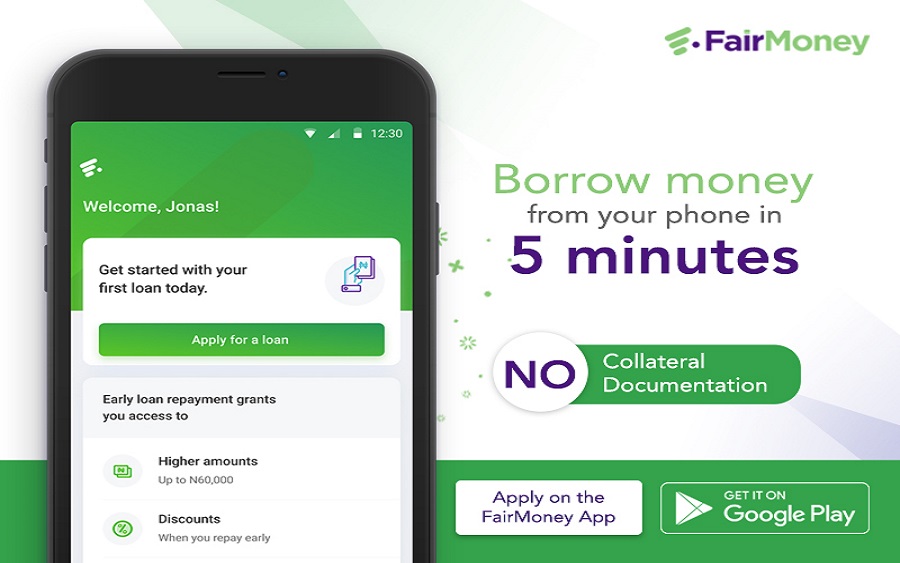
FairMoney  is one of the oldest and most well-known digital lending platforms in Nigeria. The platform offers instant loans and other financial services such as bill payments and transfers. Nigerian university students can apply for loans directly from their smartphones without visiting a bank branch. FairMoney has become one of the most widely used mobile loan apps in Nigeria. With its flexible repayment periods ranging from 61 days to 12 months, first-time student borrowers can be eligible for between 1,500 and 1,000,000 naira.


3: OKASH


OKash is another widely used loan platform that provides short-term loans through mobile devices. The service is operated by OPay, one of the largest fintech companies in Nigeria. The app is known for fast disbursement and minimal documentation. OKash usually offers loan amounts ranging from 3,000 to 500,000 naira. First-time users typically receive smaller amounts. As borrowers repay their loans on time, the limit may gradually increase.


 BENEFITS OF USING ONLINE STUDENT LOAN APPS


Digital lending platforms offer several advantages for students.


Convenience

Students can apply for loans anytime without visiting a bank branch. Whether you are on campus, at home, or traveling, the app is always accessible.


Speed

Most applications are processed quickly, making it easier to solve urgent financial problems. Some apps disburse funds within minutes of approval.


Accessibility

Even students without traditional credit history may qualify for small loans. Many platforms are specifically designed to serve first-time borrowers.


Flexibility

Most loan apps allow you to choose your repayment date and loan duration. This gives students control over how they manage repayment alongside their academic schedule.


HOW TO IMPROVE YOUR LOAN ELIGIBILITY AS A STUDENT


Many students get rejected by loan apps or receive very small loan offers. Here is how to improve your chances of getting approved for a higher amount:


1. Keep Your BVN Active and Updated

Your BVN is the foundation of your digital credit identity in Nigeria. Make sure your phone number and bank details linked to your BVN are current and active.


2. Maintain a Positive Bank Account History

Loan apps analyze your transaction history. Regular deposits and responsible spending patterns improve your credit score over time.


3. Repay Your First Loan Early

Repaying your first loan before the due date signals financial responsibility to the platform. This often leads to a higher loan offer on your next application.


4. Avoid Multiple Loan Applications at Once

Applying to several loan apps at the same time can negatively affect your credit profile. Focus on one platform, build your history there, and expand later.


5. Use the App Regularly

Platforms like FairMoney and OKash reward active users. The more you use the app for bill payments, airtime purchases, and transfers, the more data the system has to assess your creditworthiness.


WHAT HAPPENS IF YOU DEFAULT ON A STUDENT LOAN IN NIGERIA


Defaulting on a loan means failing to repay on time. Many students do not fully understand the consequences before borrowing. Here is what can happen:


1. Late Fees and Penalties

Most loan apps charge daily or weekly penalties for missed payments. A small loan can grow significantly if left unpaid for several weeks.


2. Reduced Credit Score

Your credit score with the Credit Bureau of Nigeria can be negatively affected. This makes it harder to get loans in the future, not just from apps but from banks as well.


3. Aggressive Reminders

Licensed lenders are permitted to send SMS reminders and call your registered number when payment is overdue. While regulated platforms cannot contact your friends or family, the constant reminders can be stressful.


4. Account Blacklisting

Some platforms may blacklist your BVN if you default repeatedly. This can affect your access to financial services across multiple platforms.


5. Legal Action

For larger loan amounts, some lenders may pursue legal recovery. While this is rare for small student loans, it is a possibility that borrowers should be aware of.


The best way to avoid all of this is to borrow only what you can comfortably repay and to communicate with the lender early if you are facing difficulty.


RISKS OF BORROWING AS A STUDENT


Borrowing money as a student comes with real risks that are often overlooked. Here is what every student should consider before taking a loan:


High Interest Rates

Most loan apps in Nigeria charge monthly interest rates that can range from 2.5% to 30% depending on your profile. On a 30,000 naira loan, this can add up quickly if not repaid on time.


Debt Cycle

Some students borrow from one app to repay another. This creates a dangerous debt cycle that becomes harder to escape with each month that passes.


Academic Distraction

Financial stress from loan repayment can distract students from their studies. Pressure from overdue loans has been known to negatively affect academic performance.


Privacy Risks

Some unregulated apps request unnecessary access to your contacts, photos, and SMS. Always check app permissions carefully before granting access.


Fake Loan Apps

Not every loan app on the Play Store is legitimate. Some are designed to steal personal and financial information. Always verify that the platform is CBN licensed and FCCPC approved before applying.


THINGS YOU SHOULD KNOW AS A STUDENT BEFORE BORROWING


Before applying for any loan, it is important to understand the responsibilities involved. Borrowing money should always be done carefully and responsibly.


1. Understand the Interest Rate

Some loan apps charge high interest rates. Always check the total repayment amount before accepting a loan.


2. Borrow Only What You Need

Students should avoid borrowing large amounts unnecessarily. Small loans are easier to repay.


3. Avoid Illegal Loan Apps

Some loan sharks use unethical debt recovery practices such as threatening borrowers, blackmailing, or contacting phone contacts. Always verify the loan platform before applying.


4. Read the Loan Terms

Before confirming your loan request, read all conditions including repayment dates and penalties.


5. Repay on Time

Late repayment may attract additional charges and reduce your credit score.


FREQUENTLY ASKED QUESTIONS


Which loan app is best for students in Nigeria?

FairMoney, Oxygen X, and OKash are among the most accessible options for students. They offer fast approval, no collateral, and flexible repayment terms that suit a student's income pattern.


Can I get a loan without a job as a student in Nigeria?

Yes. Many loan apps do not require proof of employment. They assess eligibility based on your BVN, bank history, and transaction activity rather than a salary slip.


What is the minimum amount I can borrow as a student?

Most apps start from as low as 1,500 naira for first-time borrowers. The amount increases as you build a positive repayment history on the platform.


Are student loan apps safe in Nigeria?

Yes, if you use regulated and FCCPC approved platforms. Always avoid apps with no verifiable company identity, many harassment complaints, or unrealistic loan promises.


Can a student loan app access my contacts?

Regulated lenders are prohibited from accessing or contacting your phone contacts under FCCPC guidelines. If an app requests contact access, review its privacy policy carefully before granting permission.


What happens if I cannot repay my student loan on time?

Contact the lender as early as possible to explain your situation. Some platforms offer repayment extensions. Ignoring the debt will result in penalties, credit score damage, and increased stress.


Is there a government student loan scheme in Nigeria?

Yes. The Nigerian Education Loan Fund (NELFUND) was established to provide interest-free loans to Nigerian students in public tertiary institutions. Visit the official NELFUND website for eligibility details and how to apply.


Final Thoughts


Loan apps have made it easier than ever for Nigerian students to access quick financial support without collateral or complex bank procedures. Platforms like FairMoney, Oxygen X, and OKash have helped thousands of students cover urgent expenses and stay on track academically.


However, convenience should never replace caution. Always borrow from verified, regulated lenders. Always read the loan terms before accepting. And always borrow only what you can comfortably repay.


The smartest student borrower in 2026 is not the one who gets money fastest. It is the one who borrows carefully, repays on time, and uses credit as a tool rather than a trap.

SHARE THIS POST
Convert start convert end

Avoid Fake Apps: FCCPC Approved Loan Apps in Nigeria (2026 List)

SHARE THIS POST


                 INTRODUCTIONS

Loan apps have become one of the fastest ways for Nigerians to borrow money. With just a smartphone and internet connection, citizens can apply for quick loans for school fees, rent, emergency bills, transport, food, business capital, or unexpected expenses. This convenience has made instant loan apps in Nigeria more popular than ever.

Many people now prefer applying for loans directly from their phones instead of visiting a commercial bank branch, filling long forms, and waiting for manual approval. Loan apps now play a major role in everyday financial life. Search terms like instant loan apps in Nigeria, quick loan in Nigeria, and best loan apps in Nigeria have continued to grow on various search engines. This means thousands of Nigerians need financial resources from trusted loan apps.

However, there is also a dangerous side to this industry. Many fake and poorly regulated loan sharks have entered the market. Some users report harassment, hidden charges, privacy abuse, and aggressive debt collection methods. Most of these loan apps promise instant cash with unfair repayment terms. Because of these complaints, the Federal Competition and Consumer Protection Commission (FCCPC) became more active in regulating the digital lending sector. Borrowers are now strongly advised to use only trusted and properly registered lenders.

This guide explains what FCCPC means, why it matters, how to avoid fake apps, and how to choose safer loan apps in Nigeria.


                 WHAT IS FCCPC?

The Federal Competition and Consumer Protection Commission (FCCPC) is a Nigerian government agency responsible for protecting consumers and promoting fair competition among businesses. Its responsibilities include:

• Safeguarding consumers from unfair or deceptive practices
• Reviewing and resolving complaints filed against businesses
• Upholding and defending consumer rights across industries
• Overseeing and curbing unethical business behavior
• Encouraging openness and accountability in the marketplace
• Sanctioning companies that exploit or mistreat customers

In recent years, the FCCPC became widely known because of actions involving digital loan companies. Many Nigerians complained about unethical loan sharks using shameful tactics, threats, and unclear charges. As a result, the FCCPC introduced standards and registration requirements for all digital lending operators in Nigeria. This is why many people now search for FCCPC approved loan apps in Nigeria before borrowing money. Borrowers constantly accused certain lenders of:

• Harassment
• Threat messages
• Contact-list embarrassment
• Hidden fees
• Unfair collection practices

Because of this, the FCCPC began requiring digital lenders to register and comply with consumer protection standards.

      WHY FCCPC APPROVAL MATTERS

When a loan app is properly registered and operates legally under proper standards, borrowers enjoy better protection.

Benefits may include:

• Clearer loan terms and conditions
• More transparent fees
• Better customer care and complaint channels
• Stronger privacy expectations
• Lower risk of harassment
• Stronger data privacy protections

That is why search terms such as legit loan apps Nigeria, safe loan apps in Nigeria, FCCPC approved loan apps list, and trusted quick loan apps Nigeria are becoming more common on search engines. This guide will walk you through some of the top FCCPC-approved loan apps you can trust.

WHY FAKE LOAN APPS ARE DANGEROUS

Many fake loan apps target people who need urgent cash. They often use emotional marketing and false promises to get your attention. Be cautious of ads like:

• Instant loan without stress
• Get ₦50,000 in minutes
• No BVN loan in Nigeria
• Guaranteed loan approval in 5 minutes
• Borrow instantly without stress

These offers look attractive, especially to desperate borrowers. But users often discover serious issues later.


COMMON RISKS OF FAKE LOAN APPS

1. Harassment
Some lenders contact friends, family, or colleagues when a borrower's payment is delayed.

2. Hidden Fees
A user who applies for a ₦20,000 loan will sometimes receive less than expected after deductions.

3.Unclear Interest Rates
Repayment terms may be confusing or much higher than expected.

4. Privacy Abuse
Some apps request unnecessary access to contacts, files, photos, or SMS.

5. Poor Customer Support
Many suspicious apps have no real customer service.

This is why Nigerian borrowers should focus on safe loan apps without harassment.


HOW TO IDENTIFY A LEGIT LOAN APP IN NIGERIA

Before borrowing money online, do these background checks.

1. Confirm Company Identity
Look for a registered business name, real website, contact email, social media presence, and public contact information.

2. Read App Reviews Carefully
Do not trust only star ratings. Read actual complaints on Google Play Store, the App Store, or social media.

3. Check Loan Terms
Understand the amount you will receive, the interest rate, the repayment date, and the late fee policy.

4. Check Permissions
Be cautious if an app demands unnecessary access to your SMS or contacts.

5. Search Online Reputation
Type the app name plus words like complaint, review, harassment, or scam on Google or social media before downloading.


HERE IS A LIST OF SOME FCCPC APPROVED LOAN APPS IN NIGERIA (2026 Overview)

The Nigerian digital lending market is worth billions. New apps appear regularly, some rebrand, and regulations continue to evolve. Rather than trust random lists online, focus on well-known regulated lenders.

Below are some commonly recognized names in Nigeria's digital lending space:

• FairMoney
• Carbon
• Branch
• QuickCheck
• Renmoney
• Aella Credit
• Kuda
• LAPO
• OKash
• EaseMoni
• Umba


      Are Loan Apps in Nigeria Safe?

Yes, some are safer than others. Loan apps are financial tools. Safety depends on regulation, transparency, reading the terms carefully, and borrowing only what you can repay. A regulated lender can still be expensive if you borrow carelessly. That is why smart borrowing matters just as much as choosing the right app.


How to Borrow Safely From Loan Apps
Borrow Only What You Need
If you need ₦15,000, avoid borrowing ₦60,000 unnecessarily.

Check Total Repayment
Always compare the amount borrowed, interest charged, fees, and total amount due before accepting.

Avoid Multiple Apps at Once
Many borrowers get trapped rotating loans between apps.

Repay Early If Possible
This can reduce stress and sometimes improve future loan offers.

Keep Records
Save screenshots of your loan terms, repayment confirmations, receipts, and support chats.


Red Flags to Avoid in Any Loan App

If you notice any of these signs, be careful:

• No company identity
• Threatening language
• Many harassment complaints
• Hidden deductions
• No privacy notice
• Pressure to borrow immediately


WHY NIGERIANS USE LOAN APPS SO MUCH

Demand continues to grow because many people need fast short-term credit. Common reasons include medical emergencies, rent, school fees, fuel and transport, business restocking, salary advances, and family emergencies. Traditional bank loans take longer to disburse, so digital lending fills the speed gap.


Frequently Asked Questions

Which loan app gives money fastest in Nigeria?
Some digital lenders are known for fast approval systems, depending on your profile and eligibility.

Are there loan apps without collateral?
Yes. Many online lenders offer unsecured short-term credit.

Which loan app is safest?
Use recognized lenders with clear terms, better reviews, and stronger reputations.

Can students use loan apps?
Some apps accept students depending on eligibility, but approval varies.

How do I avoid fake loan apps?
Research the company, read reviews, check permissions, and avoid unrealistic promises.


Final Thoughts

Loan apps have changed borrowing in Nigeria. They offer speed, convenience, and access to short-term credit when people need help urgently. But convenience should never replace caution.

That is why many Nigerians now focus on FCCPC approved loan apps and better-known lenders instead of random apps from unknown sources. If an app hides terms, pressures you, has many harassment complaints, or looks suspicious, avoid it.

The smartest borrower in 2026 is not the person who gets money fastest. It is the person who borrows carefully, understands the terms, and repays responsibly.

Here is a full list of over 300 verified loan companies and their apps in Nigeria. Click the link below to download a copy

SHARE THIS POST
Convert start convert end

Carbon vs FairMoney 2026: Which App Has Better Interest Rate, Loan Limit and Features?

SHARE THIS POST


If you have ever needed quick cash in Nigeria, there is a very good chance you have heard of Carbon and FairMoney. These two mobile apps are everywhere. Your colleague at work uses one. Your neighbor uses both. And somewhere on X (formerly Twitter), someone is always arguing about which one is better.
When your money is on the line, you need more than social media opinions. You need real facts. This is exactly what this post is about.
We will compare Carbon and FairMoney side by side. Their interest rates, loan limits, repayment terms, savings features, and a lot more. By the time you finish reading, you will know exactly which app suits your situation best. Let us get into it.

  A QUICK BACKGROUND CHECK ON BOTH                                       APPS 
Carbon is one of the oldest digital lending platforms in Nigeria. It was originally called Paylater when it launched in 2016, and over the years it became one of the pioneers of app-based lending in the country. It evolved from a simple loan app into a full digital microfinance bank. Today, Carbon offers loans, savings, investments, bill payments, free transfers, and even a debit card. It is available on both Android and iOS.

FairMoney launched slightly later in 2017. It started as a lending app but has since grown into a licensed microfinance bank regulated by the Central Bank of Nigeria. FairMoney also offers savings, bill payments, and banking services, and is available on both Android and iOS. Both apps are CBN licensed and FCCPC approved, meaning they are legal and regulated. Neither one is a loan shark. That is an important starting point.


CARBON VS FAIRMONEY: INTEREST AND COMPARISON 

This is the first thing most Nigerians want to know, and honestly, it is the most important question to ask. Interest rates determine how much you actually pay back.
Carbon's interest rates currently range from 4.5% to 30% per month, depending on your credit profile, loan amount, and repayment history. First-time borrowers will likely start on the higher end, but consistent repayment earns you lower rates over time.

FairMoney's interest rates range from 2.5% to 30% per month. On paper, FairMoney starts slightly lower. However, the rate you actually receive depends heavily on your credit score, your BVN history, and how long you have been using the platform. Here is what most comparison posts will not tell you: both apps can charge you the same high rate if your credit profile is weak. The difference becomes noticeable only after you have built a strong repayment history on each platform.
Winner on interest rates: FairMoney, due to its starting rate of 2.5% compared to Carbon's 4.5%.


         WHICH APP GIVES MORE MONEY?

Carbon's loan limits currently range from ₦1,500 to ₦1,000,000. First-time borrowers usually start between ₦1,500 and ₦20,000. As you repay on time, your limit increases, and consistent users can unlock up to ₦1,000,000 over time.
FairMoney's loan limits range from ₦1,500 to ₦3,000,000. That is a significant difference. For someone who needs a larger amount for business, rent, or a major expense, FairMoney has a clear advantage.
Winner on loan limits: FairMoney, with a maximum of ₦3,000,000 compared to Carbon's ₦1,000,000.


Winner on loan limits: FairMoney with a maximum loan limit of ₦3,000,000 compared to Carbon's ₦1,000,000.


CARBON VS FAIRMONEY: REPAYMENT TERMS 

How long do you have to pay back? This matters because a shorter repayment period means higher monthly payments, even if the interest rate looks low.

Carbon's repayment periods range from 1 month to 12 months. The flexibility is decent.
You can choose a shorter term to save on total interest or a longer term to reduce monthly pressure. FairMoney's repayment periods range from 61 days to 24 months, which is more flexible. If you borrow ₦500,000 from FairMoney, you have far more breathing room than you would with Carbon.


CARBON VS FAIRMONEY: QUICK COMPARISON 

Feature 🟢 Carbon 🟠 FairMoney
Loan Amount ₦2,500 – ₦1,000,000 ₦1,500 – ₦3,000,000
Interest Rate 4.5% – 30% monthly 2.5% – 30% monthly
Repayment Period 1 – 12 months 61 days – 24 months
CBN Licensed ✓ Yes ✓ Yes
FCCPC Approved ✓ Yes ✓ Yes
NDIC Insured ✓ Yes ✓ Yes
Available on iOS ✓ Yes ✓ Yes
Savings Feature Up to 15.5% p.a. Up to 28% p.a.
Debit Card ✓ Yes ✓ Yes
Bill Payments ✓ Yes ✓ Yes
Free Transfers 2 free monthly Unlimited
Free Credit Report ✓ Yes ✗ No

DOES CARBON OR FAIRMONEY HAVE BETTER SAVINGS?

Both apps have gone beyond just loan lending. They now offer savings products that honestly compete with some traditional banks. Carbon savings offers up to 15.5% interest per annum on savings. They also have a target savings feature and a fixed deposit option. One unique thing Carbon offers that FairMoney does not is a free credit report. You can check your credit score directly inside the Carbon app at no cost. For anyone trying to understand why they are getting low loan offers, this feature is genuinely useful.

FairMoney savings is actually more competitive. Through FairLock, FairMoney offers up to 28% interest per annum on fixed savings. That is one of the highest savings rates available on any Nigerian fintech platform right now. FairSave offers flexible savings with daily interest, while FairTarget helps you save toward a specific goal. If saving money and earning interest is important to you, FairMoney wins this category convincingly.
Winner on savings: FairMoney  28% per annum through FairLock is difficult to beat.

   WHICH APP IS AVAILABLE ON IPHONE?

This is a dealbreaker for many Nigerians. Both Carbon and FairMoney are available on Android and iOS. iPhone users can download either app from the Apple App Store without any problem.


    DOES FAIRMONEY HARASS BORROWERS?

This is one of the most searched questions about FairMoney. As a CBN licensed microfinance bank and FCCPC approved lender, FairMoney is legally prohibited from harassing borrowers, contacting your phone contacts, or using public shaming as a debt recovery tactic.
That said, like every loan platform, FairMoney will contact you when your loan is overdue through SMS reminders and calls to your registered number. What they are not permitted to do is contact your family, friends, or colleagues without your consent. Most harassment complaints in Nigeria come from unlicensed loan sharks, not regulated platforms like FairMoney. If you ever experience harassment from any lender, you have the right to report them to the FCCPC at fccpc.gov.ng
Recommend for you:  Harassed or Blackmailed by a Loan App? Here’s How to Report Them to FCCPC in Nigeria (2026 Step-by-Step Guide)

      WILL CARBON CALL YOUR CONTACTS?

No. Carbon will not call your contacts. As a CBN licensed microfinance bank operating under FCCPC guidelines, it is prohibited from doing so. Carbon does use phone data, including SMS transaction alerts, to build your credit score.  But this is an automated process, not a human reading your messages.

If you are concerned about privacy, both apps will request certain permissions when you install them. Always review what permissions you are granting before you accept.
SHARE THIS POST
Convert start convert end
beginning code end

ADS

Ads 4

P.A

Copyright © LoanWatch NG

About Us | Contact Us | Privacy Policy | Disclaimer | Terms of Use | Sitemap